


Sunflower Seed Germination Science Kit – Plant Biology Curriculum & Worksheets
- 📚 Curriculum included:
- 24-page guide24 pages
- 4 lessons (K–5)
- 4 worksheets
- NGSS-linked
- Answer key & lab report rubric
- Look inside ›
📚 Teach it as a set
These kits pair well for a longer unit. Each one comes with its own curriculum & worksheets.
Grade band matches your selection above.
A hands-on life science kit in which students germinate sunflower seeds and observe the earliest stages of plant growth — the seed coat splitting, the first root emerging, and the shoot beginning to rise. Sunflower seeds typically sprout in 2–5 days, so students see results quickly.
Subject: Life Science / Plant Biology
Grade levels: K–5 or 6–12 (choose at checkout)
Includes: grade-level curriculum and student worksheets
Choose Your Grade Level
Select Grades K–5 or Grades 6–12. The physical kit is the same for both; your selection determines which curriculum and worksheets you receive. The curriculum and worksheets are digital and are emailed to you after purchase.
Learning Objectives
Grades K–5
- Identify the parts of a seed (seed coat, embryo, stored food)
- Describe what a seed needs to germinate: water, warmth, and air
- Observe, draw, and describe daily changes
- Measure root growth with a ruler
Grades 6–12
- Explain germination physiology: water uptake (imbibition), enzyme activation, and radicle emergence
- Write a hypothesis and set up a controlled experiment
- Record quantitative data and calculate germination rate
- Analyze results and write a short lab conclusion
What's Included
- 10 sunflower seeds
- Absorbent germination paper
- Resealable germination pouch
- Grade-level curriculum (digital, emailed after purchase)
- Student observation worksheets (digital, emailed after purchase)
Curriculum Overview
Grades K–5 (4 lessons): 1) What's inside a seed? 2) Setting up the experiment 3) Daily observation and drawing 4) Measuring roots and reflecting on what we learned
Grades 6–12 (4 lessons): 1) Seed anatomy and germination physiology 2) Hypothesis and experimental design 3) Data collection: germination rate and radicle length 4) Analysis and conclusions
Student Worksheets
- Daily observation log with space for drawings and notes
- Root-length measurement chart
- End-of-project reflection (K–5) or lab report template (6–12)
How the Experiment Works
- Moisten the germination paper (damp, not dripping)
- Place the sunflower seeds on the paper and fold it over
- Seal the paper inside the germination pouch and keep it somewhere warm
- Check daily and record observations on the worksheet
Customer Learning Community
Every purchase includes an invitation to Aardvark's Seed Planting For Little Hands, our private support group for students and families using our kits. Members share progress photos, ask questions, troubleshoot experiments, and learn alongside other growers. The group is open to customers — after your order, request to join and we'll add you.
Designed for homeschool and classroom science instruction.
You have 30 days after receiving your item to request a return. Items must be unused and in original packaging. Email aleksandr.gordon@gmail.com to start a return.
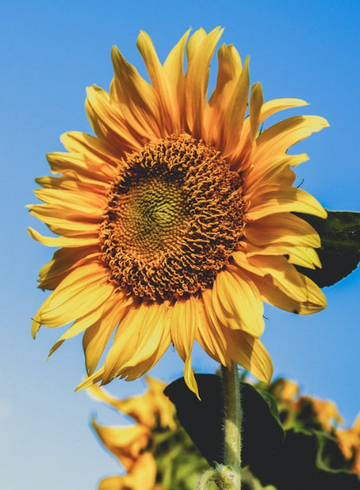
Sunflower Seed Germination Science Kit – Plant Biology Curriculum & Worksheets
Look inside this kit's curriculum
Inside the Sunflower Seed Germination guide
A printable unit written for this kit, with grade-banded lessons, standards connections, worksheets and an answer key. Emailed after purchase.
- 24printable pages
- 8lessons, 2 grade bands
- 8worksheets
- Keyanswer key & rubric
Sunflower seeds typically sprout in 2–5 days, so there's something to see within the first week.
- What's inside a seed?NGSS 1-LS1-1NGSS K-LS1-1
- Setting up the experimentNGSS K-LS1-1NGSS 2-LS2-1
- Daily observation and drawing
- Measuring roots and reflectingNGSS 3-LS1-1
- Seed anatomy and germination physiologyNGSS MS-LS1-4NGSS HS-LS1-2
- Hypothesis and experimental design
- Data collection: germination rate and radicle length
- Analysis and conclusions
Also inside: First-week plan, Stage guide, Care chart, Growing on, plus answer key and lab report rubric.
