


Heirloom Tomato Seed Germination Science Kit – Plant Biology Curriculum & Worksheets
- 📚 Curriculum included:
- 30-page guide30 pages
- 4 lessons (K–5)
- 3 worksheets
- Answer key & lab report rubric
- Look inside ›
📚 Teach it as a set
These kits pair well for a longer unit. Each one comes with its own curriculum & worksheets.
Grade band matches your selection above.
A hands-on life science kit in which students germinate heirloom tomato seeds and observe how a plant begins — from the first root to the first leaves. Tomato seeds typically sprout in 3–10 days, and once roots reach about half an inch, the seedlings are ready to transplant into soil so students can continue the study.
Subject: Life Science / Plant Biology
Grade levels: K–5 or 6–12 (choose at checkout)
Includes: grade-level curriculum and student worksheets
Choose Your Grade Level
Select Grades K–5 or Grades 6–12. The physical kit is the same for both; your selection determines which curriculum and worksheets you receive. The curriculum and worksheets are digital and are emailed to you after purchase.
Learning Objectives
Grades K–5
- Describe what seeds need to germinate
- Recognize roots, shoots, and seed leaves (cotyledons)
- Compare how different tomato varieties sprout
- Record observations with drawings and simple measurements
Grades 6–12
- Explain the stages of germination and early seedling development
- Understand heirloom (open-pollinated) varieties and how traits are inherited
- Compare germination time and rate across varieties
- Collect, graph, and interpret growth data
What's Included
- 20 heirloom tomato seeds (assorted varieties)
- Absorbent germination paper
- Grade-level curriculum (digital, emailed after purchase)
- Student observation worksheets (digital, emailed after purchase)
Curriculum Overview
Grades K–5 (4 lessons): 1) Seeds and what they need 2) Setting up the experiment 3) Watching roots and shoots appear 4) Transplanting seedlings and reflecting
Grades 6–12 (5 lessons): 1) Germination and seedling development 2) Heirloom varieties and heredity 3) Experimental setup and hypothesis 4) Data collection and graphing 5) Transplanting and drawing conclusions
Student Worksheets
- Daily observation log with space for drawings and notes
- Variety comparison chart (days to sprout, root length)
- End-of-project reflection (K–5) or lab report template (6–12)
How the Experiment Works
- Moisten the germination paper (damp, not dripping)
- Place the seeds on the paper and fold it over
- Keep in a warm, bright place out of direct sunlight
- Check daily and record observations on the worksheet
- Transplant into soil once roots reach about half an inch
Customer Learning Community
Every purchase includes an invitation to Aardvark's Seed Planting For Little Hands, our private support group for students and families using our kits. Members share progress photos, ask questions, troubleshoot experiments, and learn alongside other growers. The group is open to customers — after your order, request to join and we'll add you.
Designed for homeschool and classroom science instruction.
You have 30 days after receiving your item to request a return. Items must be unused and in original packaging. Email aleksandr.gordon@gmail.com to start a return.
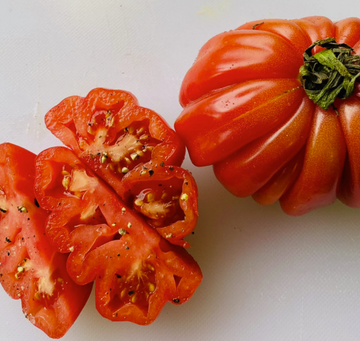
Heirloom Tomato Seed Germination Science Kit – Plant Biology Curriculum & Worksheets
Look inside this kit's curriculum
Inside the Tomato Seed Germination guide
A printable unit written for this kit, with grade-banded lessons, standards connections, worksheets and an answer key. Emailed after purchase.
- 30printable pages
- 9lessons, 2 grade bands
- 6worksheets
- Keyanswer key & rubric
Four lessons of 30–45 minutes, plus about 5 minutes a day to check the seeds for 1–2 weeks.
- Seeds and what they need
- Setting up the experiment
- Watching roots and shoots appear
- Transplanting seedlings and reflecting
- Germination and seedling development
- Heirloom varieties and heredity
- Experimental setup and hypothesis
- Data collection and graphing
- Transplanting and drawing conclusions
Also inside: Two-week plan, Stage guide, Care chart, Growing on, plus answer key and lab report rubric.
